
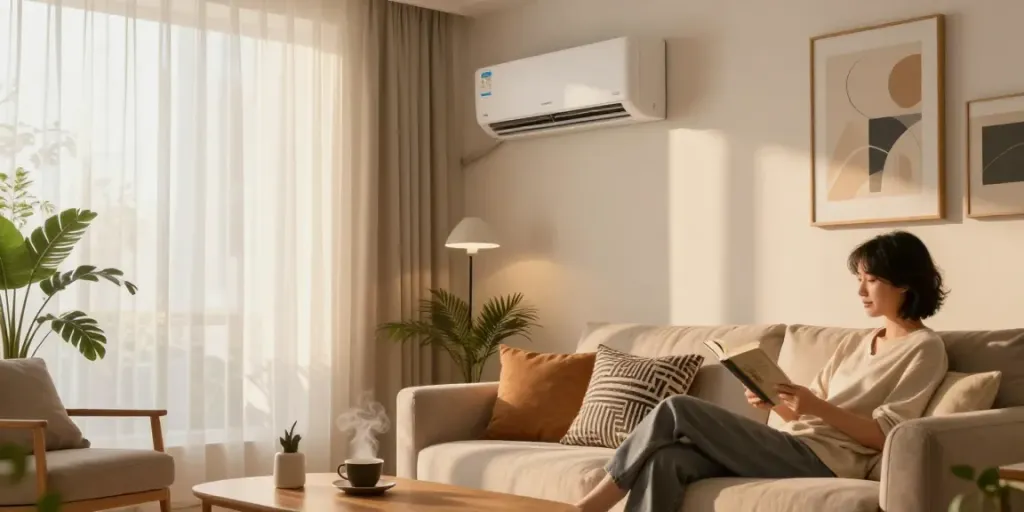
Understanding Mini Split AC Systems
As temperatures rise, finding an effective cooling solution becomes paramount for homeowners and businesses alike. Mini split air conditioning systems, often referred to as ductless systems, offer a versatile and energy-efficient option that fits various cooling needs. These systems provide both heating and cooling capabilities, making them ideal for year-round comfort. In this article, we will explore the intricacies of mini split AC systems, their benefits, and how to choose the right one for your home.
When exploring options, mini split ac systems provide comprehensive insights into energy-efficient cooling solutions. Let's dive deeper into their functionality and advantages.
What is a Mini Split AC?
A mini split AC system consists of two main components: an indoor unit and an outdoor compressor unit. Unlike traditional HVAC systems that rely on ductwork to deliver air, mini splits use individual air handlers mounted on walls or ceilings, allowing for direct airflow into specific areas. This feature enables homeowners to customize cooling for distinct rooms, promoting comfort while enhancing energy efficiency.
The versatility of mini split systems extends beyond cooling; many models are equipped with heat pumps that can heat spaces when needed, giving them an edge in functionality over conventional cooling units.
Benefits of Mini Split AC Systems
- Energy Efficiency: Mini split systems boast high Seasonal Energy Efficiency Ratios (SEER ratings), significantly lower energy consumption compared to traditional systems.
- Flexibility in Installation: The absence of ductwork makes installation easier and less invasive, allowing for placement in multiple settings.
- Temperature Control: With zoned cooling, you can adjust settings for different rooms, maximizing comfort and saving costs.
- Quiet Operation: Mini split units operate at lower decibels, providing comfort without disruptive noise.
- Improved Indoor Air Quality: These systems filter out pollutants and allergens, ensuring better air quality in homes.
Key Components of Mini Split AC Units
Understanding the individual components of mini split AC units can help you appreciate their efficiency and functionality:
- Indoor Unit: This component is responsible for airflow and temperature control inside the home and comes in various styles, including wall-mounted, ceiling-mounted, or floor-mounted units.
- Outdoor Unit: Typically located outside the home, the outdoor unit houses the compressor and condensing coils that remove heat from the indoor air.
- Remote Control: Most mini split systems come with a remote control for easy temperature adjustments, providing convenience and ease of use.
- Piping: Copper refrigerant lines connect the indoor and outdoor units, allowing for efficient heat transfer.
Choosing the Right Mini Split AC for Your Home
Selecting the perfect mini split AC requires careful consideration of several factors, ensuring you get the best fit for your home’s cooling needs.
Factors to Consider in Selection
When choosing a mini split AC, consider the following:
- Cooling and Heating Capacity: Assess the BTUs (British Thermal Units) needed to effectively cool and heat your space. Accurate sizing prevents energy waste.
- Energy Efficiency Ratings: Look for systems with high SEER ratings to maximize energy savings.
- Installation Type: Determine whether you want a DIY installation or prefer to hire a professional to ensure proper setup.
- Brand Reputation: Research brands known for reliability and customer service support.
Understanding BTUs and Coverage Area
BTUs are crucial in determining the right mini split system for your space:
- Generally, cooler areas require fewer BTUs, while warmer regions need higher capacities.
- A rough guide is 20 BTUs per square foot of living space. Consider factors like ceiling height and insulation to refine this estimate.
Comparing Brands and Models
Many brands offer mini split systems with varying features and efficiencies. Some top contenders include:
- Mitsubishi: Renowned for their quiet operation and reliability.
- Daikin: Offers a wide range of models with innovative technology.
- Fujitsu: Known for energy efficiency and design versatility.
Installation Best Practices for Mini Split AC Systems
The effectiveness of your mini split AC greatly depends on proper installation. Below are considerations for a successful setup.
DIY Installation vs. Professional Services
While some homeowners may opt for DIY installation to save costs, hiring a professional can ensure proper setup and optimal performance. Consider the complexity of your space and your own skill level when deciding.
Common Installation Mistakes to Avoid
A few common pitfalls can hinder the efficiency of your mini split AC:
- Improper placement of the indoor unit, impacting airflow and comfort.
- Neglecting to ensure proper insulation and sealing of the piping to prevent leaks.
- Failing to balance the BTUs for the cooling load of different rooms.
Ensuring Optimal Placement for Efficiency
Strategic placement can enhance efficiency and comfort:
- Install the indoor unit in high-traffic areas for better air circulation.
- Avoid placing the unit near heat sources or direct sunlight, which can reduce cooling efficiency.
- Allow sufficient space around the unit for optimal airflow.
Maintaining Your Mini Split AC for Longevity
Proper maintenance is essential for the longevity and efficiency of your mini split system. Regular upkeep will ensure your unit operates smoothly for years to come.
Regular Maintenance Checklist
A solid maintenance routine includes:
- Cleaning or replacing air filters every few months.
- Inspecting and cleaning the outdoor compressor to prevent debris buildup.
- Checking refrigerant levels and addressing any leaks promptly.
Signs Your Mini Split AC Needs Repair
Be alert for signs that your mini split may need attention:
- Unusual noises or vibrations during operation.
- Inconsistent temperatures in different rooms.
- Increased energy bills without a change in usage.
Tips for Improving Energy Efficiency
To enhance the energy efficiency of your mini split system:
- Utilize programmable thermostats for optimized temperature settings.
- Seal cracks and gaps in windows and doors to minimize air leaks.
- Use window treatments to regulate indoor temperatures.
The Future of Mini Split AC Systems
As technology continues to evolve, so too does the design and function of mini split systems. The following trends are shaping the future of HVAC technology:
Emerging Trends in HVAC Technology
Expect advancements in energy efficiency standards and the integration of IoT (Internet of Things) for smart controls in mini split systems. This functionality allows homeowners to manage their cooling and heating remotely, enhancing comfort and control.
Energy Efficiency Regulations for 2026
With 2026 approaching, regulations on energy efficiency are anticipated to tighten. Homeowners should stay informed about these changes to ensure compliance and maximize savings.
How Smart Home Integration is Evolving HVAC Systems
Integrating mini splits with smart home systems is becoming increasingly popular, allowing for seamless interaction and management of home temperatures through smart devices.
What Is the Cost of Installing a Mini Split AC?
The initial cost of installing a mini split AC can vary based on brand, capacity, and installation complexities. Typically, homeowners can expect to invest between $3,000 and $5,000, including both equipment and installation.
Can Mini Split AC Systems Heat as Well?
Yes, many mini split systems are equipped with heat pump technology, enabling them to provide both cooling and heating solutions efficiently. This dual capability makes them a versatile choice for variable climates.
What Are the Common Misconceptions About Mini Split AC Units?
Despite their advantages, there are common misconceptions about mini split AC systems:
- Some believe they are too noisy; however, modern units are designed to operate quietly.
- Others think they only work in small spaces, but mini splits can efficiently cool larger areas when appropriately sized.
How Does a Mini Split AC Compare to Traditional HVAC Systems?
Compared to traditional ducted systems, mini splits offer flexibility and efficiency without the need for extensive ductwork. They are less invasive to install and provide targeted cooling solutions, often leading to lower energy bills.
Are Mini Split AC Systems Noisy?
While early models were noted for their noise, technological advancements have resulted in many modern mini split systems operating at low decibel levels, providing a quieter experience than traditional units.
What Size Mini Split AC Do I Need?
Choosing the right size is crucial for comfort and efficiency. Consult a professional to assess your space and calculate the correct BTU requirement to ensure optimal performance.